

Looking for a New Hobby in 2026? Try Leatherworking
The start of a new year often brings a quiet urge to do things differently. Not necessarily louder or faster, but more thoughtfully. To learn something new, to work with our hands, to step away from screens and into something slower and more satisfying.
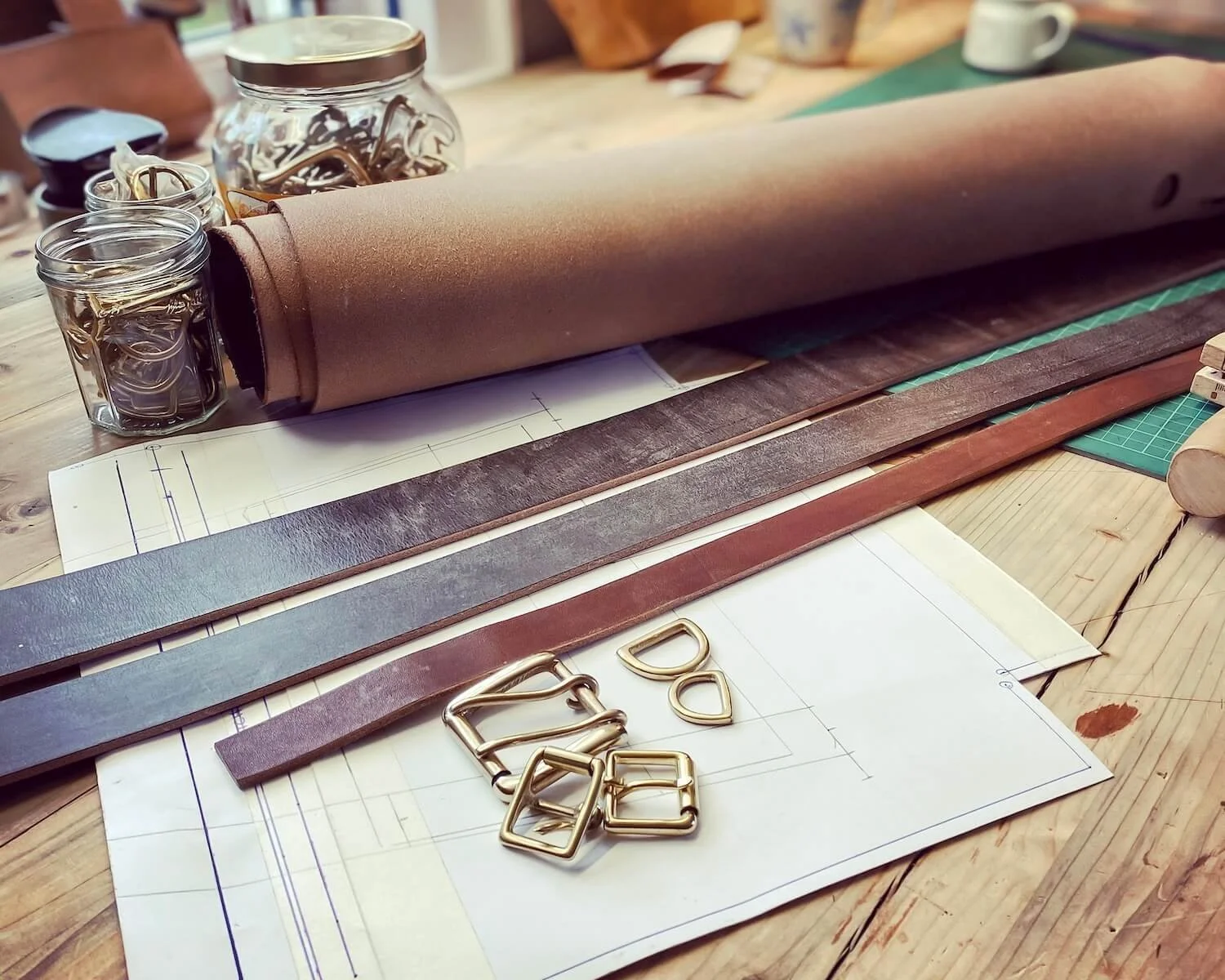
For many, the New Year is a time to explore creative hobbies that feel grounding and purposeful. Leatherworking is one of those crafts: tactile, traditional, and endlessly rewarding. It’s a skill that stays with you long after January has passed.
Why Leatherworking Makes a Great New Year Hobby
Leatherworking is a craft built on patience and process. From selecting the leather to cutting, stitching, and finishing, every stage asks you to slow down and pay attention. There’s something deeply satisfying about working with natural materials and watching them take shape under your hands.
Unlike many hobbies, leatherworking produces items that are both beautiful and useful. Leather belts, bags, wallets, and small accessories all carry the marks of the maker, becoming pieces that improve with age and use. It’s a skill that rewards practice and grows with you over time.
Do You Need Experience to Start Leatherworking?
Not at all. Everyone starts somewhere, and leatherworking is no different. Most beginners begin with a small set of leather tools and a willingness to learn through doing. Early projects are often simple, and mistakes are very much part of the process.
Understanding the basics, like how leather behaves, how tools work, how stitching comes together, builds confidence quickly. With a little guidance, even complete beginners can create well-made pieces they’re proud of.
What You’ll Learn in a Leatherworking Workshop
Learning leatherwork in a workshop setting gives you a solid foundation to build on. You’ll be introduced to the essential tools, materials, and techniques used in traditional leathercraft, alongside an understanding of why things are done a certain way.
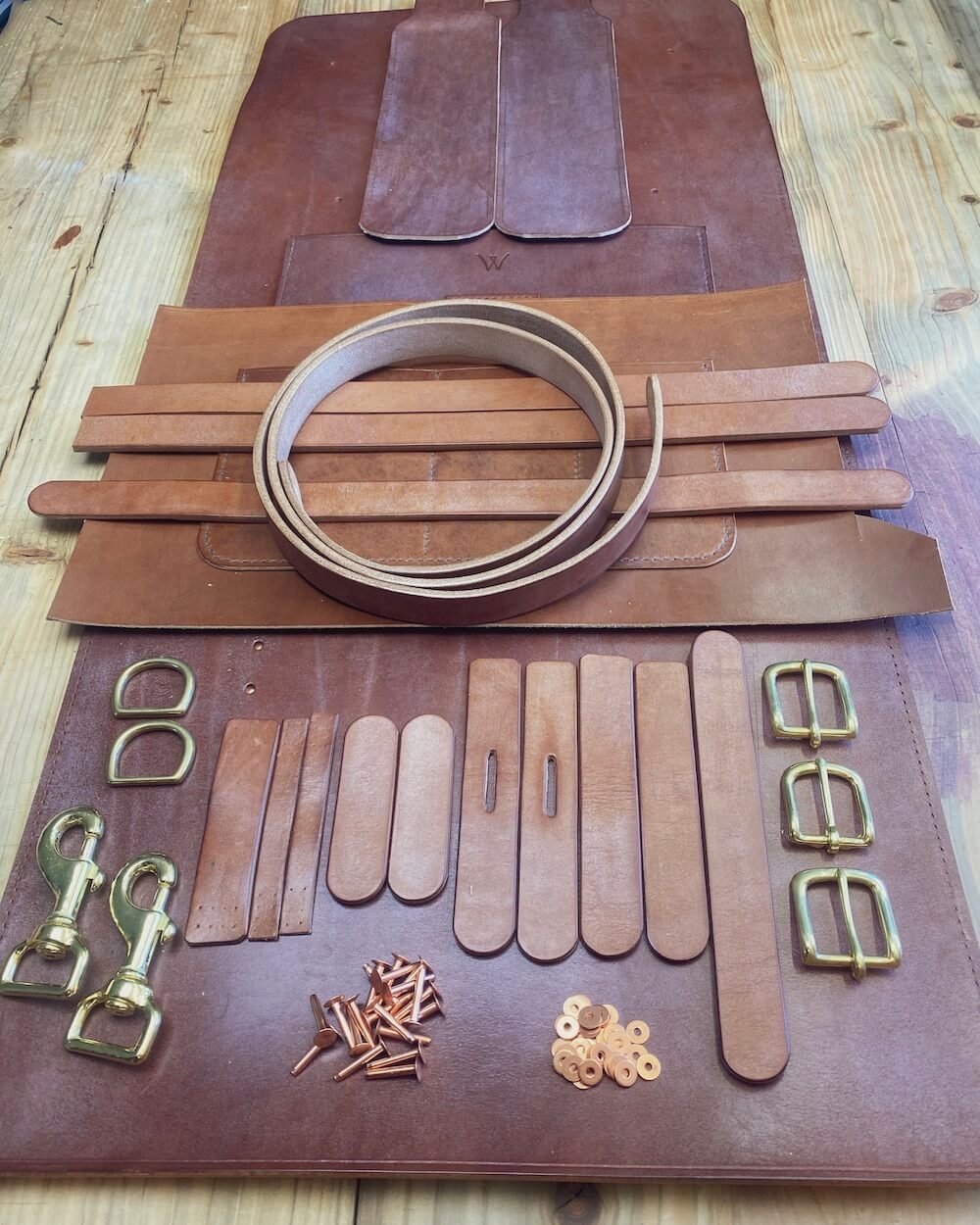
Workshops focus on core skills such as cutting, marking, hand stitching, and finishing, as well as how to work confidently with leather as a natural material. Just as importantly, they give you the space to ask questions, make mistakes, and learn at a comfortable pace.
Why Start Thinking About It Now?
Although my leatherworking workshops begin in spring, the quieter months at the start of the year are a perfect time to explore the idea. Winter lends itself to planning and learning, while spring naturally becomes the season for making.
Taking time now to understand the craft, explore beginner leather tools, and decide what you’d like to learn means you can approach workshops with intention rather than impulse. It’s about choosing a skill because it resonates, not because it’s a fleeting resolution.
A Craft That Lasts Beyond the New Year
Leatherworking isn’t about quick results. It’s about learning a craft that stays with you, one that improves with time, practice, and care. The pieces you make become part of your everyday life, and the skills continue to develop long after the New Year has faded into the background.
If you’re looking for a creative path that feels meaningful, tactile, and enduring, leatherworking may be the perfect place to begin.
If you’d like to explore this further, you can find more information about upcoming leatherworking workshops here, or read my guide on leather tools for beginners to get a feel for what getting started involves.
